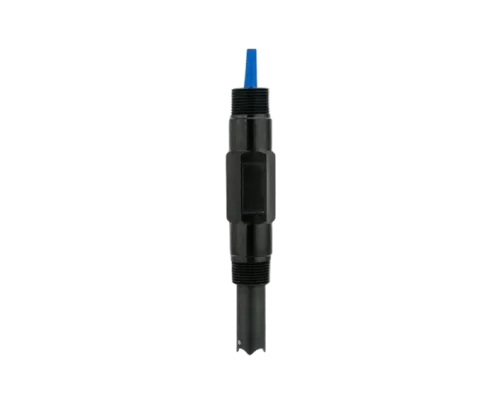
ORP Level
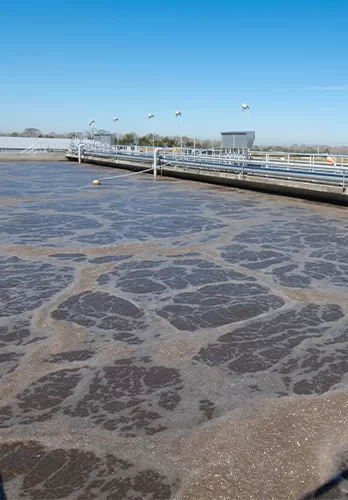
Municipal and industrial wastewater facilities are continuously monitoring water quality upstream for incoming wastewater, on-site at the treatment facility, and downstream to verify effluent treatment is effective.
Oxidation-reduction potential (ORP or REDOX) measurements are used to monitor the influent for the presence of excessive oxidizers or reducing agents. ORP is also used to monitor activated sludge and if the effluent disinfection (or reaction) by chlorine or other oxidants is still in process. Inversely, it can be used to ensure sufficient de-chlorination has occurred in effluent to safeguard environments downstream of the wastewater plant.
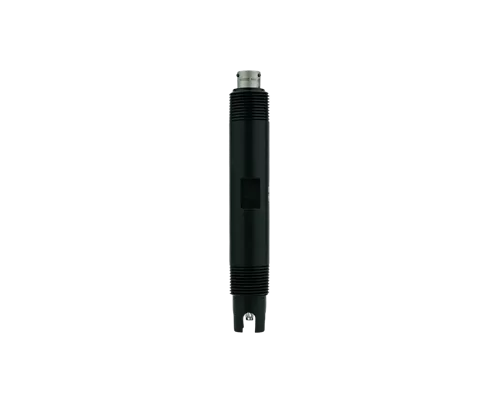
Other common oxygen reduction reactions in industrial wastewater include denitrification, sulfate reduction, and chromium reduction. It is important to characterize these processes over time to ensure proper treatment. ORP measurements may be challenged with biofouling and contamination of the reference system. Sensor lifetime, biofouling, and other challenges can be mitigated with the optimal sensor design, in particular the reference junction design, housing material, and sensing element.