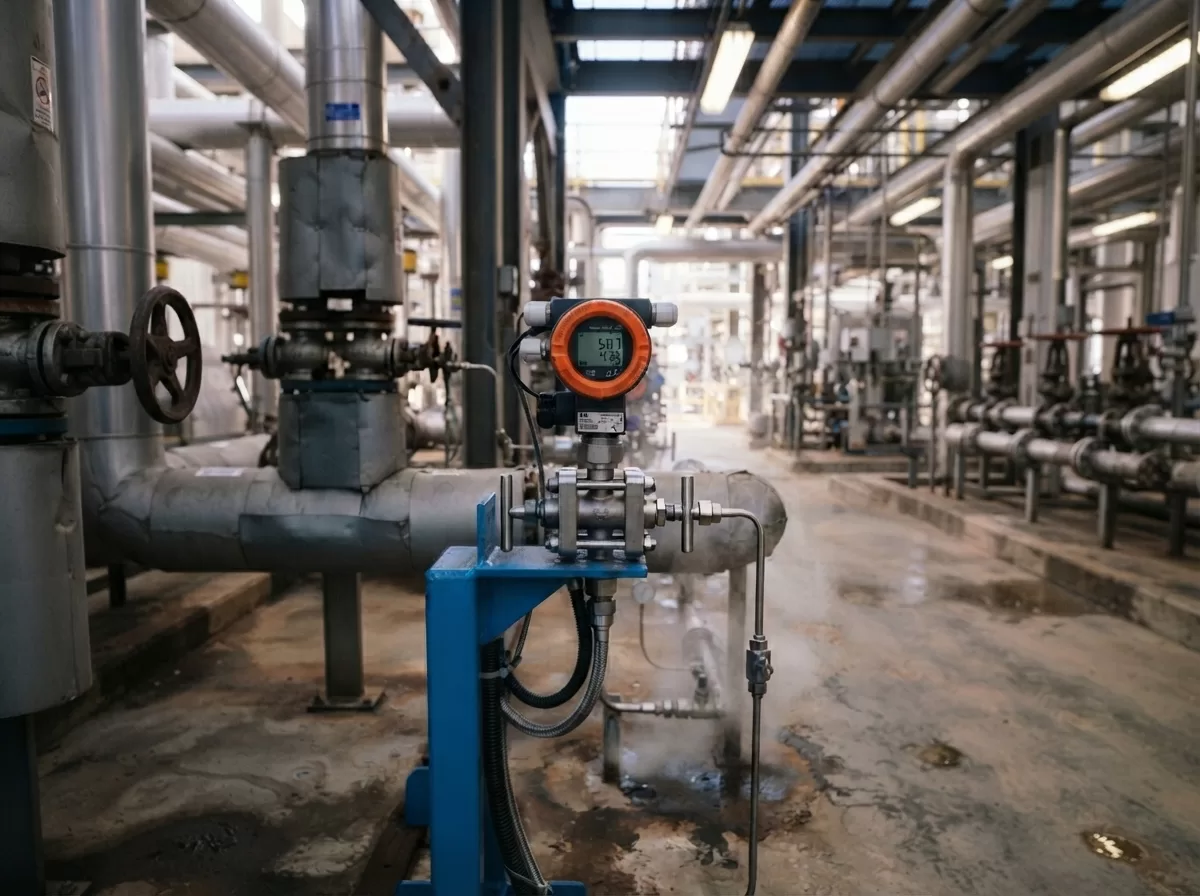
How Capacitance Pressure Transmitters Reduce Sensor Drift and Improve Long-Term Accuracy
Pressure measurement is one of the most important parts of industrial process control. It affects safety systems, pump protection, boiler operation, chemical dosing, and overall plant efficiency.
In real-world applications, however, pressure transmitters do not always maintain perfect accuracy over time. One of the most common challenges engineers face is sensor drift, where the output slowly shifts away from the true pressure value after long-term operation.
Understanding why this happens and how to reduce it is important when selecting a reliable Pressure Transmitter for industrial use.
Why Pressure Measurement Stability Is Important
Pressure transmitters are used to ensure systems operate within safe and controlled limits. When readings become unstable or inaccurate, it can lead to:
- Incorrect process control decisions
- Unnecessary shutdowns or alarms
- Energy inefficiency in pumps and compressors
- Reduced product quality consistency
- Higher maintenance workload
In continuous process industries such as oil and gas, water treatment, and chemical processing, even small measurement errors can accumulate into significant operational issues.
What Is Sensor Drift in Pressure Measurement?
Sensor drift refers to a gradual change in the transmitter’s output signal over time, even though the actual process pressure has not changed.
Unlike sudden failure, drift is slow and often goes unnoticed until calibration checks or process inconsistencies appear.
Typical signs include:
- Output signal slowly shifting upward or downward
- Frequent recalibration requirements
- Mismatch between control system readings and physical gauges
- Reduced confidence in measurement data
Why Sensor Drift Happens in Industrial Environments
Pressure transmitters operate in harsh and dynamic conditions. Several factors contribute to long-term drift.
Temperature Cycling
Repeated heating and cooling causes expansion and contraction of internal components, which can gradually affect measurement stability.
Mechanical Vibration
Equipment such as pumps and compressors introduce continuous vibration into pipelines. Over time, this mechanical stress can influence sensor alignment and signal consistency.
Overpressure Events
Sudden pressure spikes can strain the sensing diaphragm. Even if no immediate failure occurs, small structural changes may affect long-term accuracy.
Material Fatigue
Traditional sensing elements can slowly lose elasticity or stability after long periods of continuous pressure exposure.
Electronics Aging
Internal signal conditioning components may slightly change characteristics after extended operation in high-temperature or high-humidity environments.
How Capacitance Pressure Transmitters Work
A capacitance pressure transmitter measures pressure using changes in electrical capacitance.
The sensing structure typically includes:
- A pressure isolating diaphragm
- A silicone oil fill fluid
- A central flexible sensing diaphragm
- Two fixed capacitor plates
Working principle
- Process pressure acts on the isolating diaphragm
- Pressure is transferred through the fill fluid
- The central diaphragm moves slightly
- This movement changes the capacitance between plates
- The signal is converted into a standard output such as 4–20mA with HART communication
Because the measurement is based on extremely small and stable physical displacement, it provides high sensitivity and consistent signal output.
Why Capacitance Technology Improves Long-Term Stability
Compared to strain-based sensing methods, capacitance technology reduces drift through a more controlled sensing mechanism.
Reduced mechanical stress on sensing element
The system is designed so that pressure changes are transferred in a controlled manner rather than directly deforming a resistive element.
Stable diaphragm behavior
The sensing diaphragm operates within a tightly controlled mechanical range, reducing long-term deformation effects.
Better separation from process stress
Modern designs isolate the sensing core from pipeline torque, vibration, and installation stress.
Key Advantages of Capacitance Pressure Transmitters
1. Improved long-term accuracy
Capacitance sensing helps maintain stable calibration over long operating cycles, reducing the frequency of recalibration.
2. Strong performance in harsh environments
These transmitters are suitable for applications involving:
- Temperature fluctuations
- Pressure cycling
- Industrial vibration
- Corrosive or demanding process conditions
3. Reliable overpressure handling
Many designs include mechanical protection to prevent diaphragm damage during sudden pressure surges.
4. Consistent signal output
The transmitter provides stable electrical output that integrates well with modern control systems.
Where Capacitance Pressure Transmitters Are Used
Capacitance pressure transmitters are commonly used in industries where stability and reliability are critical.
Oil and Gas
- Pipeline pressure monitoring
- Offshore platform systems
- Refinery process control
Chemical Industry
- Reactor pressure control
- Corrosive media measurement
- Dosing and blending systems
Water and Wastewater Treatment
- Pump station monitoring
- Filtration systems
- Distribution pressure control
Power Generation
- Boiler pressure monitoring
- Steam system control
- Turbine auxiliary systems
How to Select the Right Pressure Transmitter
When choosing a pressure transmitter, engineers should consider more than just accuracy specifications.
Process conditions
- Temperature range
- Pressure range
- Media type and corrosion risk
Stability requirements
Long-term drift performance is often more important than initial accuracy in continuous processes.
Installation environment
Vibration, pressure pulsation, and mounting position can affect long-term performance.
Output compatibility
Common industrial outputs include:
- 4–20mA
- HART protocol
- Modbus communication
Maintenance and Calibration Considerations
Even high-performance transmitters require periodic checks to ensure system reliability.
Best practices include:
- Scheduled calibration based on process criticality
- Monitoring signal trends for early drift detection
- Ensuring correct installation to reduce mechanical stress
- Using proper isolation valves for maintenance safety
Capacitance pressure transmitters generally help reduce maintenance frequency, especially in stable process environments.
Conclusion
Sensor drift is a gradual but important challenge in industrial pressure measurement. If not controlled, it can affect process stability, safety systems, and operational efficiency.
Capacitance pressure transmitters help reduce this issue by offering improved mechanical stability, controlled sensing behavior, and consistent long-term performance.
By selecting the right pressure measurement technology, industries can improve process reliability, reduce maintenance effort, and maintain more stable control over time.
Frequently Asked Questions (FAQs)
What is pressure transmitter drift?
It is the slow change in output signal over time even when actual pressure remains unchanged.
What causes sensor drift in pressure transmitters?
Common causes include temperature variation, vibration, pressure spikes, and component aging.
Are capacitance pressure transmitters more stable?
Yes, they are widely used in applications requiring long-term stability due to their controlled sensing design.
How often should pressure transmitters be calibrated?
It depends on process criticality, but many industries use annual or semi-annual calibration cycles.
Where are capacitance pressure transmitters commonly used?
They are used in oil and gas, chemical processing, water treatment, and power generation industries.